
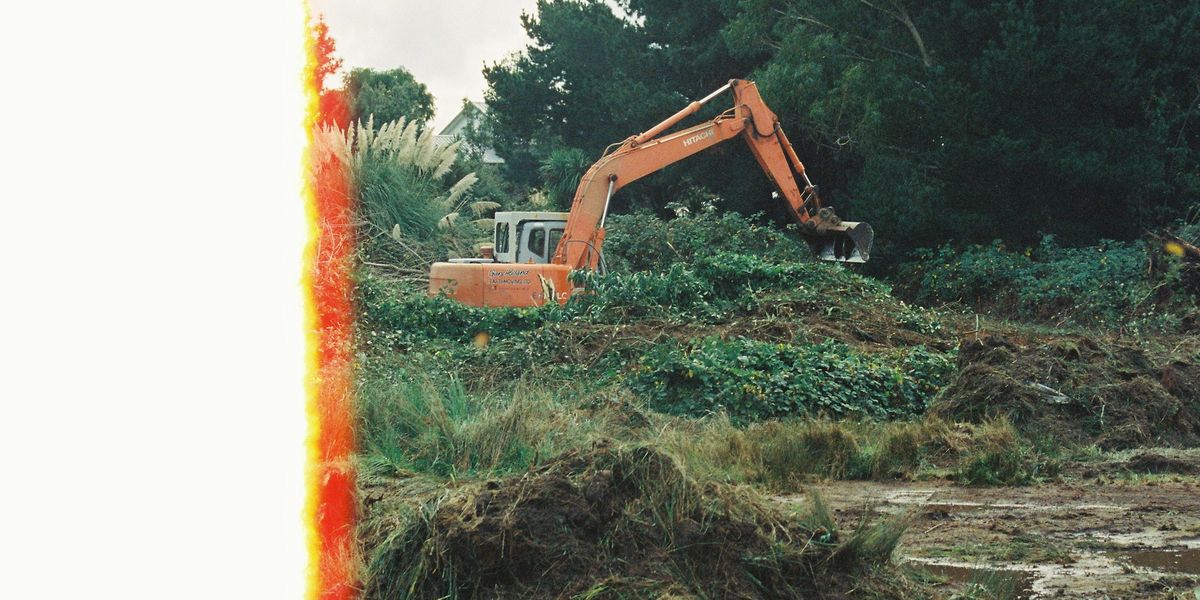
Builders and developers can be busy, profitable and still short of cash. Money goes out every week on wages, materials and subbies, while money comes in through payment claims, retentions, GST refunds and settlements that rarely arrive on time. When one of those is late, the whole job can wobble. fundU gives builders and property developers a way to bridge those gaps, secured on completed property you already own.
We're a direct New Zealand lender. We provide $20,000 to $1m for business purposes, secured on conventional completed property such as a home, rental or commercial building, and our own team makes the call.
How does fundU fund builders and property developers?
We lend against finished property, not the project. You offer a completed residential, commercial or industrial property as security, and we provide a lump-sum business loan you can use across your building or development business.
That's a deliberate choice. Traditional construction and development finance is secured on the site and released in stages as the build progresses, with quantity surveyors, progress inspections and drawdown schedules along the way. It has its place, but it's slow to arrange and it can't help with the cash gaps that sit outside a single project. A loan secured on completed property can.
The property can be owned by you, your company, your family trust or a supporting party. We lend by first or second mortgage, so an existing bank loan on the security property can often stay in place.
Why don't we lend against the development site itself?
Because a completed property is simpler, faster and more flexible security for everyone. A part-built project has an uncertain value until it's finished, which is why construction lenders tie funding to milestones.
By securing the loan on property that's already complete, the funding isn't tied to build stages, so you can use it where it's needed most. That might be the next site's deposit, a subcontractor bill on another job or GST while you wait for a refund. It also means our assessment focuses on the security property and your exit, rather than on detailed project feasibility, so decisions can happen quickly.
What can builders and developers use the funding for?
The six uses we see most often are:
- Deposits. Securing the next site, a block of land or a design-and-build opportunity before the current project has sold.
- Cost overruns. Finishing a job when materials, consent changes, weather delays or a subcontractor failure push costs beyond budget.
- Working capital between progress payments. Covering wages, materials and plant hire while payment claims make their way through the process. See our working capital finance page for more on this.
- Retentions held. Unlocking the cash tied up in retentions across several completed jobs.
- GST refunds pending. Bridging the wait when a large GST refund is under review by Inland Revenue.
- Settlement delays. Carrying holding costs, loan payments and trade accounts when a buyer's settlement on completed stock is pushed back. Our business bridging finance page covers bridging in more depth.
It can also help when you've won a larger job than usual and need to gear up before the first claim is paid. Our guide to funding a big contract walks through how to plan for that step up, from hiring extra hands to buying materials in bulk.
How do retentions and payment claims squeeze a builder's cash flow?
They mean you're often funding the client. Under the Construction Contracts Act 2002, a payment claim triggers a process with set timeframes, but even when everyone follows it, the gap between buying materials and being paid can run to weeks.
Retentions add to the squeeze. A portion of each progress payment is held back, and under the Act retention money must be held on trust, as MBIE's Building Performance guidance explains. That protects you, but the money is usually only released at practical completion or after the defects period, which can be many months after you've finished and paid everyone. Across several jobs, retentions held can add up to a serious sum. Our guide to construction retentions and payment claims explains the timing in detail.
Good to know: Keep a simple schedule of every retention held, with the contract, amount and expected release date. It's one of the most useful documents you can give a lender, because it shows exactly where your money is and when it's coming back.
Which funding gap fits your situation?
This table shows how a property-secured loan fits the most common situations for builders and developers.
| Situation | How fundU can help | Typical exit |
|---|---|---|
| Deposit needed for the next site | Loan secured on a completed property funds the deposit | Project lender at settlement, sale of stock |
| Cost overrun mid-build | Extra cash to finish without stopping work | Sale proceeds or refinance |
| Payment claims running late | Working capital for wages and materials | Payment claims once paid |
| Retentions held across jobs | Cash now against money due later | Retention releases |
| Large GST refund under review | Bridge until the refund is paid | GST refund from Inland Revenue |
| Buyer settlement delayed | Carry holding costs and accounts | Delayed settlement proceeds |
Why is cash flow so tight in construction right now?
Because construction has been under real pressure. The Centrix Credit Indicator report for July 2026 recorded 755 construction company liquidations in the year to May 2026, and RNZ reported that March 2026 was the worst March for liquidations in 11 years.
Many of those businesses weren't short of work. They ran out of cash while waiting to be paid, often because a client or head contractor above them failed. Having property-secured funding in place, or knowing where to get it quickly, can be the difference between riding out a late payer and going down with them. For more sector context, see our construction and trades page.
How does a builder or developer repay the loan?
Our loans are short to medium term, so the exit matters. For builders and developers, the exit is usually built into the business itself.
Common exits include payment claims once paid, retention releases, a GST refund, the settlement of completed units or homes, a refinance to a bank once a project has sold down, or the sale of a property. Depending on the approved terms, repayments can be interest-only, capitalised with no scheduled monthly repayments during the term, or principal and interest. Capitalised interest is popular with developers because it keeps cash on the job until the sale proceeds arrive.
Be realistic about timing. Settlements slip, refunds get reviewed and retentions are sometimes released later than the contract suggests. We'd rather agree a term with some breathing room than have you under pressure near the end. Our guide on the exit strategy for short-term business loans shows how to build a repayment plan that holds up if one source of money is late.
Example scenario
A Canterbury builder has finished three townhouses. Two buyers have settled, but the third buyer's settlement has been delayed by two months. At the same time, the builder has about $110,000 of retentions held across four jobs and is waiting on a $70,000 GST refund that Inland Revenue is reviewing. The next project needs a $150,000 deposit on a section within three weeks.
The builder owns a rental property in Christchurch worth about $750,000 with $280,000 owing to the bank. fundU lends $320,000 by second mortgage over the rental, leaving the bank loan untouched. The loan funds the section deposit and gives working capital to cover wages and trade accounts. Interest is capitalised, and the loan is repaid from the delayed settlement, the GST refund and the retention releases as they come in.
What you'll need
Builders' accounts are often months behind, and that's fine. Skip the financial statements and tax returns for now and gather these instead:
- Details of the completed property offered as security, who owns it and what's owing
- What the funds are for and how much you need
- Contracts, payment claims or sale agreements that show where money is coming from
- A schedule of retentions held, if relevant
- Your GST position or IRD correspondence, if a refund is pending
- Your plan and expected timing for repaying the loan
- Company details and NZBN
Ready to keep your projects moving?
Late payments, held retentions and slow settlements don't have to stall a good build. If you have equity in completed property, a direct lender can help you close the gap quickly and keep your crew on the tools.
See if you qualify for builder and developer funding. It takes a couple of minutes and doesn't affect your credit score, and a fundU lending specialist will call to talk through your projects. Or ring our team on 09 875 4577.
Frequently asked questions
Does fundU lend against a development site or a building project?
No. fundU doesn't provide traditional construction or development finance secured on the site or the project. Instead, we lend against conventional completed property, such as your home, a rental, or a commercial or industrial building. That keeps the loan simple and means funding isn't tied to build stages, progress inspections or drawdown schedules.
Can fundU help a builder whose retentions are being held?
Yes. Retentions can tie up a significant amount of a builder's cash for months after the work is finished. A property-secured loan can fund the business through that period, and the retention release, once received, can form part of the plan to repay. Share the contracts and expected release dates with us.
Can I borrow to cover a cost overrun on a development?
Yes, if you have equity in a completed property to secure the loan. Cost overruns are common, especially when materials, consents or subcontractor rates change mid-project. A fundU loan can inject the extra cash to finish the job, with the loan repaid from sales, a refinance or another clear exit.
What if a buyer's settlement on my completed units is delayed?
Delayed settlements can leave developers carrying holding costs, existing loan payments and trade accounts longer than planned. A short-term loan secured on another completed property can cover that period, and the delayed settlement proceeds are then used to repay the loan. Talk to us as soon as a delay looks likely.
Do builders need financial statements to apply to fundU?
Not for the initial assessment. We look at the property offered as security, what the funds are for and how the loan will be repaid. Contracts, payment schedules, payment claims, retention records and IRD statements often tell the story better than a set of accounts that are months out of date.
Can a developer use fundU funding for a deposit on the next site?
Yes. Developers often need a deposit for their next site before the current project has sold. A loan secured on a completed home, rental or commercial property can fund that deposit, while the bank or development lender for the new project is arranged separately. Tell us how the new purchase will be funded at settlement.
A practical next step
Ready to see what's possible?
Tell us what the business needs, when you need it and what property is available. A fundU lending specialist will call you back to talk it through — enquiring is free and won't affect your credit score.